Peptide formulary
KPV
KPV is a small three-amino-acid peptide from the tail end of α-MSH, a hormone the body produces naturally. Dr. Luria may prescribe it within protocols focused on inflammatory balance, gut, and skin comfort.
A short tripeptide derived from α-MSH, studied for its role in modulating inflammatory signaling.
Class
Tripeptide (lysine-proline-valine), a fragment of α-MSH
Administration
Subcutaneous injection or oral capsule; typically daily
Typical goals
Inflammatory balance, gut and skin comfort, recovery
Offered within a blend, not as a standalone.
Helix prescribes KPV as part of a compounded blend protocol, not as a standalone medication. Dr. Luria determines the appropriate blend for your goals during your consultation.
What it is
KPV, in plain language.
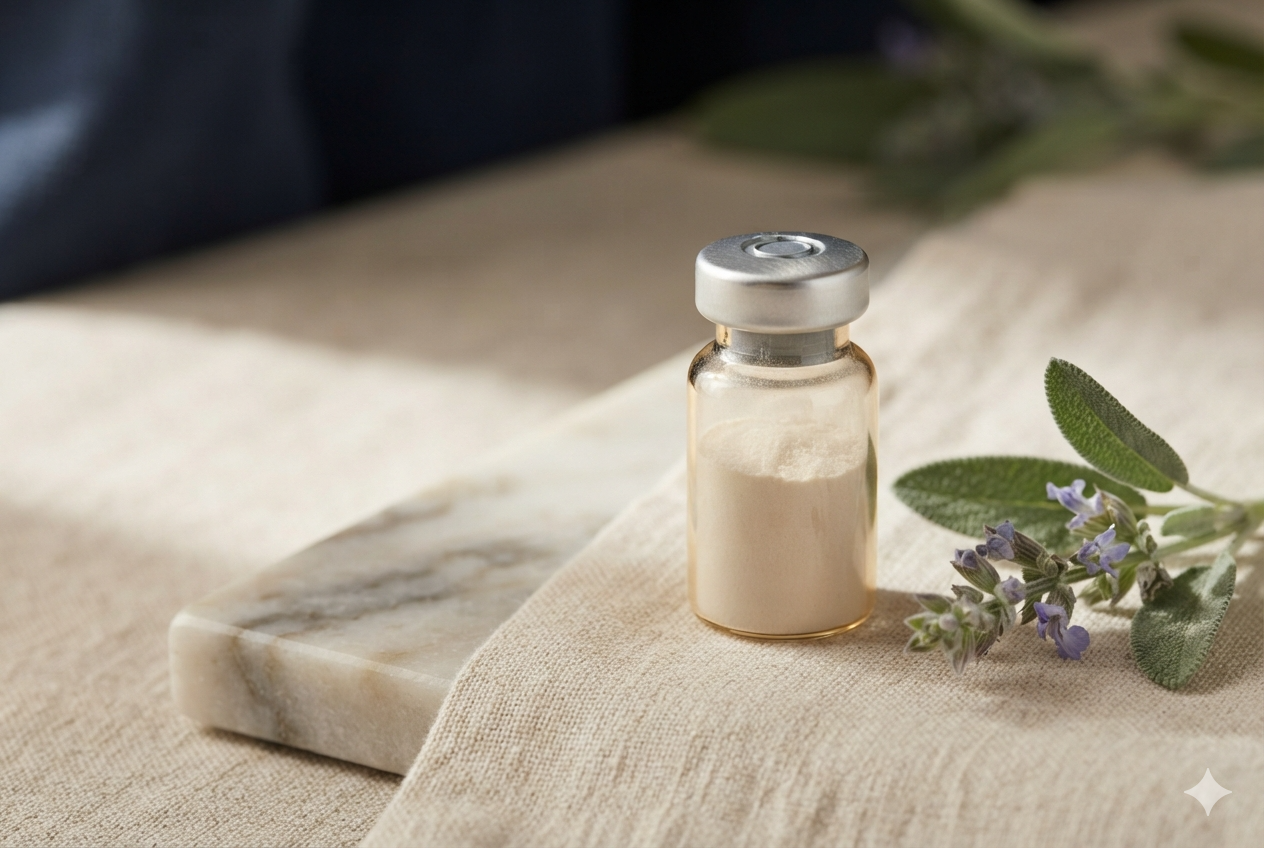
KPV is a very small peptide (three amino acids) that corresponds to the active C-terminal fragment of alpha-melanocyte-stimulating hormone (α-MSH). It is prepared as a compounded prescription.
It is most often discussed in the context of calming inflammatory signaling, with particular interest in the gut and the skin. Dr. Luria positions it as one possible element within a broader plan.
The research base is developing, and Dr. Luria reviews it honestly so your expectations reflect what is and isn't yet well established in humans.
Mechanism
How kpv works in the body.
α-MSH is known for anti-inflammatory activity, and KPV is studied as the fragment that carries much of that signaling without the pigmentation effects of the full molecule.
It is studied for influence on inflammatory pathways such as NF-κB, both systemically and locally in the gut lining, one reason it is often discussed alongside digestive comfort.
The mechanism is an area of active study. Dr. Luria monitors response and adjusts the protocol accordingly.
Who it's typically for
The patient profile.
KPV is most often considered for adults pursuing inflammatory balance and gut or skin comfort, usually as part of a supervised protocol rather than in isolation.
Dr. Luria evaluates whether it fits your goals and clinical picture and is candid when another approach is a better fit.
What patients commonly report
Reported experiences.
Inflammatory comfort
Patients have reported a general sense of improved comfort; individual and variable.
Gut comfort
In gut-focused protocols, some patients report improvements in digestive comfort.
Skin comfort
Some patients pursuing skin-related goals report improvements over time.
Recovery
Some describe feeling they recover more comfortably; develops gradually.
Individual response varies. The human evidence base is developing, not every patient experiences every benefit, and timelines differ.
Common questions
KPV, answered.
Will KPV affect my skin pigmentation?
Is it FDA-approved?
How is it taken?
Considerations
When kpv may not be appropriate.
KPV is generally not appropriate during pregnancy or breastfeeding, with active malignancy, or alongside certain medical conditions, and its long-term human safety data are limited. Full evaluation happens in consultation before any protocol is set.
Related reading
Go deeper.
Begin
Is kpv right for you?
Book a consultation with Dr. Luria to discuss your goals and whether kpv or a different protocol fits your clinical picture.
This article is educational and does not constitute medical advice. Decisions about peptide therapy should be made in consultation with a licensed physician who has reviewed your individual health history. KPV is a compounded prescription prepared by Blue Atlas Pharmacy, a licensed 503A compounding pharmacy, under the prescription of Dr. Jamie Luria. Compounded medications are not FDA-approved for safety, efficacy, or quality.